Contemporary Lighting in the UK: Transforming Spaces with Illumination
Lighting plays an essential role in specifying the ambiance and functionality of any area. In the UK, contemporary lighting has actually become a substantial design component, using ingenious options that mix aesthetic appeals with practicality. This post looks into the different styles, materials, and innovations shaping contemporary lighting, together with ideas for picking the most appropriate fixtures for different settings.
The Evolution of Contemporary Lighting
Contemporary lighting in the UK shows the changing tastes and technological developments in style. It encapsulates a large variety of designs, including:
- Minimalist: Characterized by simpleness and clean lines, minimalist lighting fixtures concentrate on type and function without unneeded embellishments.
- Industrial: Inspired by city settings, industrial lighting combines basic materials like metals and woods with vibrant designs, producing edgy, practical pieces.
- Scandinavian: Known for its heat and simpleness, Scandinavian lighting often includes soft colors and natural products, concentrating on developing a comfortable atmosphere.
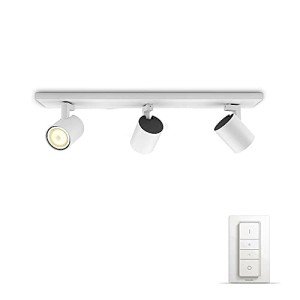
- Smart Lighting: This modern trend incorporates innovation with style, permitting users to control their lighting with mobile apps, voice commands, or automation systems.
To show the evolution and range in the field of contemporary lighting, think about the table listed below, which highlights essential characteristics of various styles.
| Design | Secret Characteristics | Popular Materials | Perfect Spaces |
|---|---|---|---|
| Minimalist | Easy, functional styles | Metal, glass, wood | Modern homes, offices |
| Industrial | Raw, incomplete look | Steel, concrete, wood | Lofts, galleries |
| Scandinavian | Comfortable, warm aesthetics | Natural fibers, light wood | Living spaces, coffee shops |
| Smart | Integrated innovation, automation | Varies widely | Residences, workplaces, retail spaces |
Picking Contemporary Lighting Fixtures
Choosing the ideal lighting fixtures for an area needs cautious factor to consider of numerous elements. Here are crucial elements to keep in mind:
1. Purpose of the Space
Before choosing fixtures, consider the designated usage of the area. Different functions require different types of lighting:
- Task Lighting: Focused lighting for activities such as reading, cooking, or studying. Examples include table lamps and under-cabinet lights.
- Ambient Lighting: General lighting that supplies total illumination. Ceiling lights and pendant fixtures fall under this category.
- Accent Lighting: Designed to highlight specific functions or areas, such as art work or architectural information. lightingandlamps and mounted lights are typical options.
2. Design and Theme
The lighting ought to complement the existing decor. Go with fixtures that match or improve the overall theme of the space, whether it's contemporary, rustic, or eclectic.
3. Size and Scale
Consider the percentage of the lighting fixtures relative to the space. A large chandelier may look spectacular above a large table, while smaller sized pendant lights work well in compact settings.
4. Energy Efficiency
With increasing energy costs and environmental issues, picking energy-efficient lighting options is vital. LED lights are an exceptional choice, providing longevity and lower energy usage.
5. Versatility
In modern design, versatility is essential. Fixtures that can be adjusted or rearranged improve performance, permitting users to develop various environments as needed.
Popular Contemporary Lighting Brands in the UK
The contemporary lighting market in the UK boasts numerous brand names known for their ingenious designs and quality workmanship. Some notable discusses include:
- FLOS: An Italian brand commemorated for its creative and renowned lights that typically double as pieces of art.
- Tom Dixon: A British designer recognized for his modern, industrial styles that beautifully incorporate metal and light.
- Anglepoise: Known for its versatile, functional lamps, ideal for a range of settings from home workplaces to innovative studios.
- John Lewis: Offers a variety of contemporary lighting options that accommodate a more comprehensive audience, consisting of affordable yet trendy alternatives.
Frequently Asked Questions about Contemporary Lighting in the UK
1. What is contemporary lighting?
Contemporary lighting describes lighting designs and fixtures that show present style trends, often characterized by tidy lines, innovative shapes, and the use of modern materials and innovations.
2. How do I pick the ideal lighting for my home?
Consider the function of the room, existing design, size of fixtures, energy effectiveness, and versatility. Evaluate how each piece will add to the general ambiance and functionality of your area.
3. What are some energy-efficient lighting options offered in the UK?
LED lights are the most prominent energy-efficient alternative, understood for their long life expectancy and low energy intake. Compact fluorescent lights (CFLs) and halogen bulbs are other options.
4. Where can I purchase contemporary lighting in the UK?
Contemporary lighting can be found in numerous retail outlets, both online and in physical stores. Notable merchants consist of John Lewis, Habitat, and specialized lighting stores.
5. Can contemporary lighting work in traditional areas?
Definitely! Contemporary lighting can boost traditional spaces when chosen attentively. Selecting fixtures with a balance in between modern and traditional components can create a harmonious style.
Contemporary lighting in the UK represents more than just lighting; it embodies design innovation and creativity, transforming spaces and boosting performance. As patterns continue to progress, property owners and designers alike can check out an extensive variety of styles and innovations, guaranteeing that every room bursts with life, warmth, and character. By thinking about the necessary aspects outlined in this article, one can curate a collection of lighting fixtures that resonates with individual design and fulfills useful requirements, ultimately forming comfy and visually attractive environments.